The average age of a “gamer” is rising. Current research puts it around 34 years old. That means there is an increasing chance that any team you are part of is made up of self-identifying gamers. They’ve trekked across Skyrim. They’ve launched a blue shell in Mario Kart. They’ve flung an Angry Bird or two.
If this engages them, gets them in the flow state, and keeps them coming back… why would we not look towards game design when designing our team culture? Cody Royle, in his book Where Others Won’t, posits that we can borrow talent acquisition strategies from sports.
“A well-designed game is a guided missle to the motivational heart of the human psyche.” – Kevin Werbach
MDA Framework
We’re going to keep this simple for our analogy. For deep details on the MDA Framework, there are loads of articles on it. But here’s the basics:
 As you can see, the game designer and the game player approach the game differently.
The designer can only control the mechanics so they build their game by creating mechanics, which impacts the dynamics, which influences the aesthetics.
The player comes at the game in the reverse order. The game is chosen because of the aesthetics they want (looking for “fun”), which they get from the dynamics, which is created by the rules. You never pick up a game because of a rule. You buy, play, and keep playing because of the feeling.
“Many of the traits, habits, beliefs and actions that teenagers and young adults pick up playing electronic games and working with handheld gadgets will help them as they enter the ever-changing global workforce.” – Karl Kapp
As a Lens for Culture
Like the game designer, we can really only control the mechanics of our culture. Mechanics are not your mission statement or your vision, but they are part of it. It’s more the rituals and operationalized mission. But instead of establishing rules we like and force the aesthetics we want, why not start with an end in mind?
We can think of culture design as game design, with a design thinking twist. Backwards by design. We’re going to start in the endzone, and figure out how to get there.
Granted, there are organizations that try to establish culture at the aesthetic level first. But they are trying to control the aesthetics as designers, which can’t be done. This will run in opposition with the established mechanics or clash with the personal narratives of the staff.
We can’t control the end, but we need to start there. If we work backwards, we can increase the likelihood of the aesthetic we want in our culture.
- What feelings do we want our team to have?
- Not only when they are “playing the game”, but also when they are at home or in their community.
- What interactions can our team have to promote these feelings?
- Interactions within the team, with the work, with the clients. All the interactions.
- What rules of play can we establish to encourage those interactions?
- These mechanics need to have boundaries that allow a little wiggle room but includes the interactions.

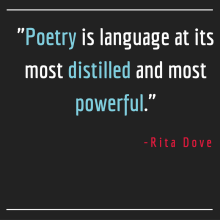 Now, this is a new analogy to me, something that I am going to try on my next prototype. I am going to design the user interface and experience through the lens of poetry. I will link to my findings here (when they exist). However some key components of poetry feel ripe for picking when designing.
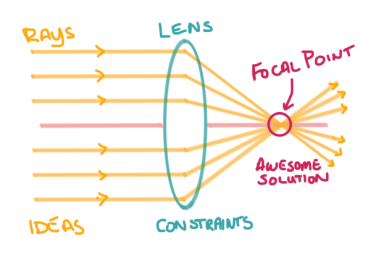
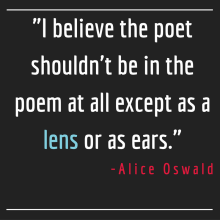 In our everyday, there are hidden aspects of problems that we can’t really see. Thats why auto manufacturers added all those mirrors, cameras, and sensors. What do we do as innovators? We can’t walk through life with an array of mirrors strapped to us. No, this is when we use some lenses. Previously, we’ve talked on the surface level of lenses (
 Everyone has heard a tale or two of people with diverse, opposite appearances. The Frog Prince and the Beast can change form with true love, Dr. Jekyll and Mr. Hyde serve as faceted personalities of the same man, and Hulk smash when Dr. Banner gets mad. While the characters’ appearances serve as moral backgrounds for allegories and folk lore, there is a lesson to be learned here for innovators.
 Go Forth And Be Awesome